The Month That Waters Ramadhan
If we want the goodness of Ramadhan to rain upon us, we must seize the opportunities the days before it bring.
Ramadhan does not arrive in isolation. It is preceded by a quiet, often overlooked month – Sha’ban – a month that holds immense potential for those who recognise its value.
The scholars beautifully described the journey to Ramadhan:
“Rajab is the month to sow the seeds. Sha’ban is the month to irrigate the crop, and Ramadhan is the month to reap the harvest.” – Abu Bakr b. al-Warraq al-Balkhi
Rajab has passed. The seeds have been planted.
Now Sha’ban has arrived – and it is time to water our intentions, nurture our hearts, and prepare our souls so that when Ramadhan comes, it finds us ready.
A Forgotten Month, Yet Raised to the Lord of the Worlds
Sha’ban is often described as a forgotten month – not because it lacks virtue, but because it sits quietly between two great seasons.
Rajab awakens us.
Ramadhan consumes us.
Sha’ban tests us.
The Prophet ﷺ said:
“It is a month people neglect between Rajab and Ramadhan. It is a month in which deeds are raised to the Lord of the Worlds, and I love for my deeds to be raised while I am fasting.” (an-Nasa’i)
This is what makes Sha’ban so special. Worship performed when others are heedless carries greater reward. Our sincerity is revealed in these quieter days – when no one is watching, when the masjids are less full, when the urgency of Ramadhan has not yet arrived.
Sha’ban is the gateway to Ramadhan. The scholars would say:
“Sha’ban is the month of preparation; Ramadhan is the month of harvesting. Whoever enters Ramadhan without preparation struggles, and whoever prepares in Sha’ban enters Ramadhan with focus and longing.”
Sha’ban is the Prelude to Ramadhan
Ibn Rajab رحمه الله beautifully explains the wisdom of this month:
“Since Sha’ban is like a prelude to Ramadhan, the fasting and reciting of the Qur’an which are prescribed in Ramadhan are prescribed in Sha’ban as well.”
Sha’ban is not meant to exhaust us – it is meant to prepare us, so Ramadhan is entered with energy, longing, and love for worship rather than struggle.
Preparing for Ramadhan Begins Today
So how do we irrigate our seeds in Sha’ban and prepare ourselves for a meaningful Ramadhan?
1. Renew Your Intentions
Before changing actions, realign the heart.
Why do you want Ramadhan to be different this year?
What do you want Allah to accept from you?
Sha’ban is the time to reset intentions – before the pace and pressure of Ramadhan take over.
Make the intention now to worship Allah sincerely, to change habits, and to draw nearer to Him.
2. Fasting: Training the Soul
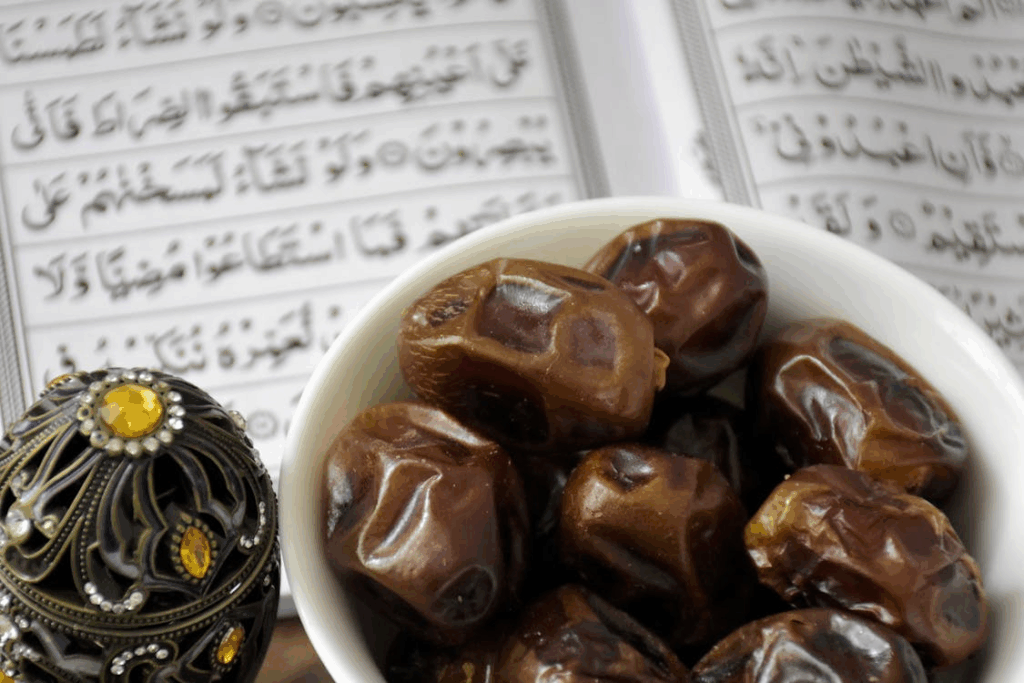
The Prophet ﷺ fasted more in Sha’ban than in any other month outside Ramadhan.
When Usamah ibn Zayd asked him why, he replied:
“That is a month people are heedless of… and I love for my deeds to be raised while I am fasting.” (an-Nasa’i)
Fasting in Sha’ban disciplines the soul and softens the heart. It allows us to taste the sweetness of fasting early, so Ramadhan is entered with strength rather than shock.
As Ibn Rajab said:
“Practice for the fast of Ramadhan in Shaban so that one does not experience any hardship and difficulty in fasting in Ramadhan. (Such a person) gets habituated to fasting and experiences sweetness and joy of fasting in Shaban, thus entering Ramadhan with strength and enthusiasm.”
3. The Month of the Reciters
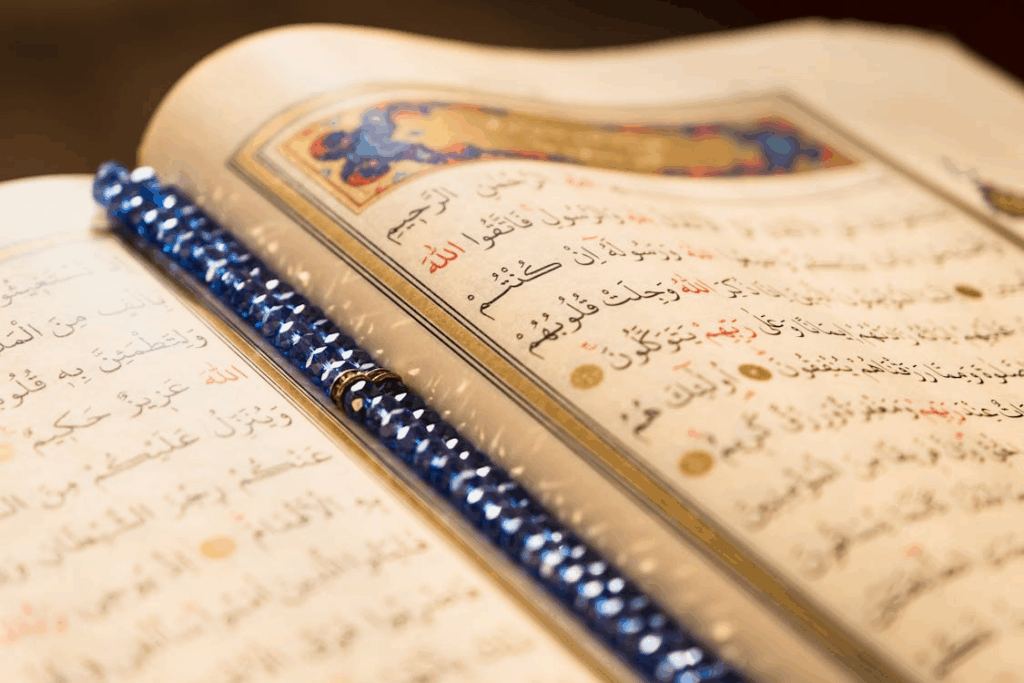
The early generations treated Sha’ban as the month of the Qur’an.
Salamah ibn Kuhail said: “Sha’ban is the month of the reciters.”
Habib ibn Abi Thabit would say: “This is the month of the reciters of the Qur’an.”
‘Amr ibn Qais would close his shop and devote himself entirely to reading the Qur’an.
You don’t need to suddenly read hours a day. Start small and consistent. A page a day in Sha’ban can become five in Ramadan with ease. A juz a day now will soon become three or five in Ramadhan.
4. Sadaqah: Purifying the Heart Before Ramadhan
Ramadhan is the month of generosity – but generosity is cultivated before it arrives.
The Prophet ﷺ was described as being more generous than the wind in Ramadan. Sha’ban is where we train our hearts to give freely.
Ibn Rajab رحمه الله said:
“When Shaʿbān would enter, the Muslims would dedicate themselves to their muṣḥafs and would recite the Qur’an; and they would take out the zakāh on their wealth, so that it would support the poor in the month of fasting.” (Laṭāʾif al-Maʿārif)
Giving in Shaʿbān prepares both the heart of the giver and the needs of the vulnerable before Ramaḍān begins.
Scholars even encouraged giving zakāh early when need is great:
“It is encouraged to give earlier in virtuous times such as Shaʿbān… when Muslims are in dire poverty.” – Shaykh ʿAbdul-ʿAzīz al-Ṭarīfī
Right now, families in our communities are still waiting for support.
This Shaʿbān, you can support Embrace by:
- Contributing to the Winter Campaign, with 338 families still awaiting relief and £106,955 left of our target.
- Signing up for the Winter Walk, improving your health before Ramaḍhān while helping others in need.
- Signing up for the Embrace sisters team at the Al Noor Boat Race.
- Joining the Race to Embrace Ramaḍhān Fundraising Challenge – make a difference, without working up a sweat, from the comfort of your home.
Ṣadaqah extinguishes sins. Begin Ramaḍhān with a purified heart and a clean slate.
5. Small but Consistent Actions
The key to success in Ramadhan is not sudden intensity – it is consistency.
- Guard your tongue now, before it invalidates your fasting later
- Begin praying extra sunnah or add two rak‘ahs of qiyam
- Maintain regular daily sadaqah, even if small.
What you build in Sha’ban will carry you through Ramadhan with strength.
6. Cleanse the Heart of Grudges
One of the most powerful aspects of Sha’ban is the reminder to cleanse the heart.
The Prophet ﷺ said:
“Allah looks at His creation on the middle night of Sha’ban and He forgives all of His creatures, except for an idolater or one carrying hostility.” (Ibn Hibban)
Holding grudges fills the heart with negativity, leaving no room for light, mercy, or love. Ramadhan is the time we hope to fill our hearts with the Qur’an. In Sha’ban therefore we must remove the malice from our heart and cleanse it before the month of mercy arrives.
What a beautiful preparation for Ramadhan – to meet it with a heart free of resentment.
7. Du‘a: Ask to Reach and Benefit from Ramadhan
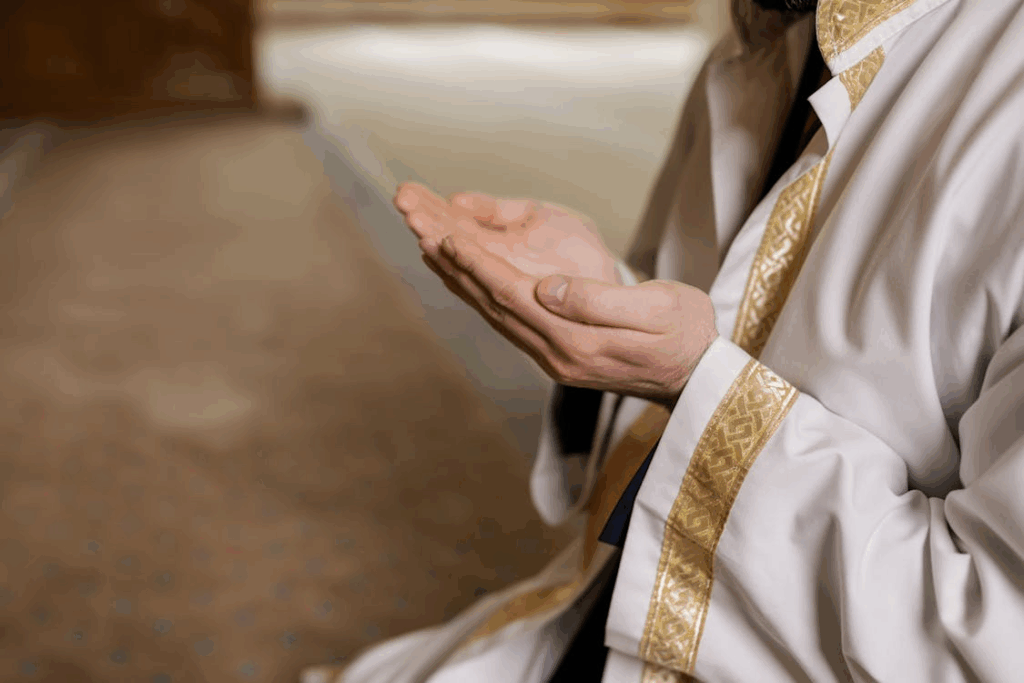
Finally, turn to Allah with humility.
The Sahaba would spend six months making du’a that they would reach Ramadhan, and then six months asking for acceptance.
In Sha’ban, make plentiful du’a. Ask Allah:
- To allow you to reach Ramadhan
- To grant you the ability to fast and worship properly
- To accept your deeds
- To grant you sincerity and consistency
And make the beautiful du‘a taught by the Prophet ﷺ:
“O Allah, bless us in Rajab and Sha’ban, and allow us to reach Ramadan.”
Irrigate the Seeds Before the Rain of Ramadhan
Sha’ban is the time to water the seeds.
Sha’ban is quiet.
It is subtle.
But it is powerful.
What you water now will grow later.
What you neglect now will weaken your Ramadhan.
Let us honour Sha’ban by preparing our hearts, serving our communities, and drawing closer to Allah – especially when others are heedless.
Because when Ramadan finally arrives, the harvest belongs to those who prepared the soil.