How to Draw Closer to Allah on the Day of Arafah (Even If You’re Not on Hajj)
The Day of Arafah – the 9th of Dhul-Hijjah – is one of the greatest days in the Islamic calendar. While millions of pilgrims gather on the plains of Arafah seeking Allah’s mercy, countless others around the world wonder: “What can I do if I’m not on Hajj?”
The beautiful truth is:
You do not have to stand on the plains of Arafah for the mercy of Allah to reach you.
The door of forgiveness is wide open. The blessings of this day are available to every Muslim, everywhere.
Why Is the Day of Arafah So Special?
The Prophet Muhammad ﷺ said:
“There is no day on which Allah frees more people from the Fire than the Day of Arafah. He draws near and then boasts of them to the angels.” (Sahih Muslim)
It’s the day when Allah completed the religion, forgave sins in abundance, and in which He descended His mercy upon the Ummah like never before.
You’re Not on Hajj – But You’re Still Invited
Even if you’re not physically on Arafah, you are spiritually included in its blessings. Your sincerity, worship, and yearning for Allah’s mercy can earn you the same forgiveness as the pilgrims.
Here are powerful actions you can do on the Day of Arafah to draw closer to Allah and gain His forgiveness:
1. Fast the Day of Arafah
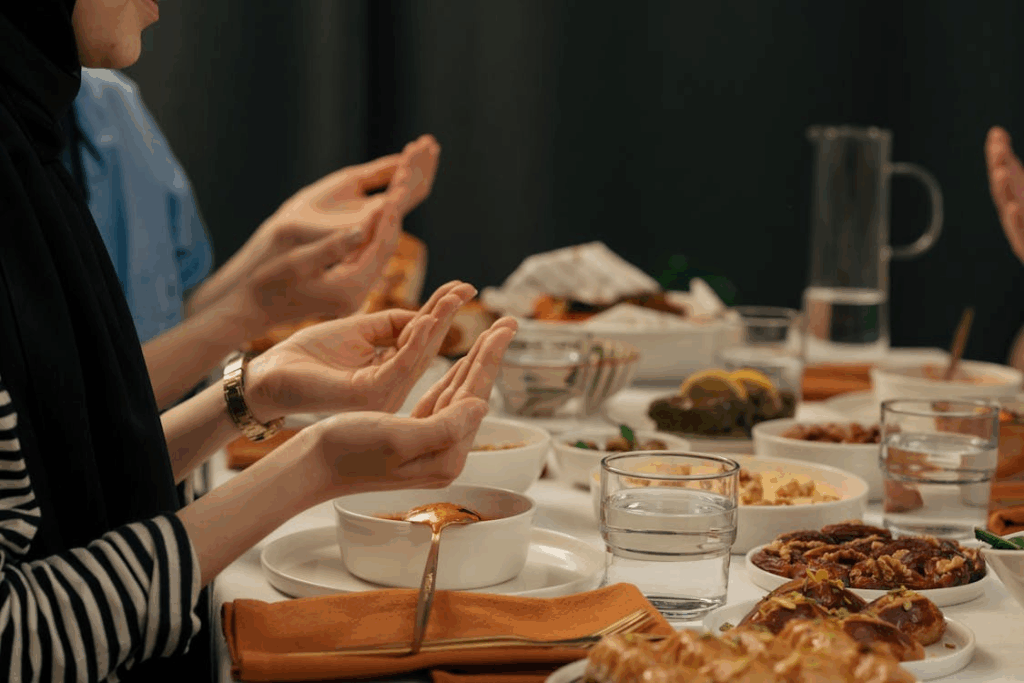
The single most emphasized act for non-pilgrims.
“Fasting the Day of Arafah expiates the sins of the previous year and the coming year.” (Sahih Muslim)
That’s two years of sins forgiven – for just one day of sincere fasting.
Ibn al-Qayyim (rh) explains that the fast of Arafah expiates two years of sins – unlike Ashura, which expiates one – because Arafah is surrounded by sacredness from every direction.
It falls in a sacred month, and both the month before it and the month after it are also sacred months.
But beyond that, the virtue of Arafah is something Allah gifted uniquely to the Ummah of Muhammad ﷺ.
Ashura was known to previous nations. But the immense reward of Arafah was multiplied especially for this Ummah, through the barakah of the Prophet ﷺ and Allah’s mercy upon his followers.
Even if you are not standing on the plains of Arafah this year, Allah has still opened for you a door to immense forgiveness.
2. Increase Your Dhikr
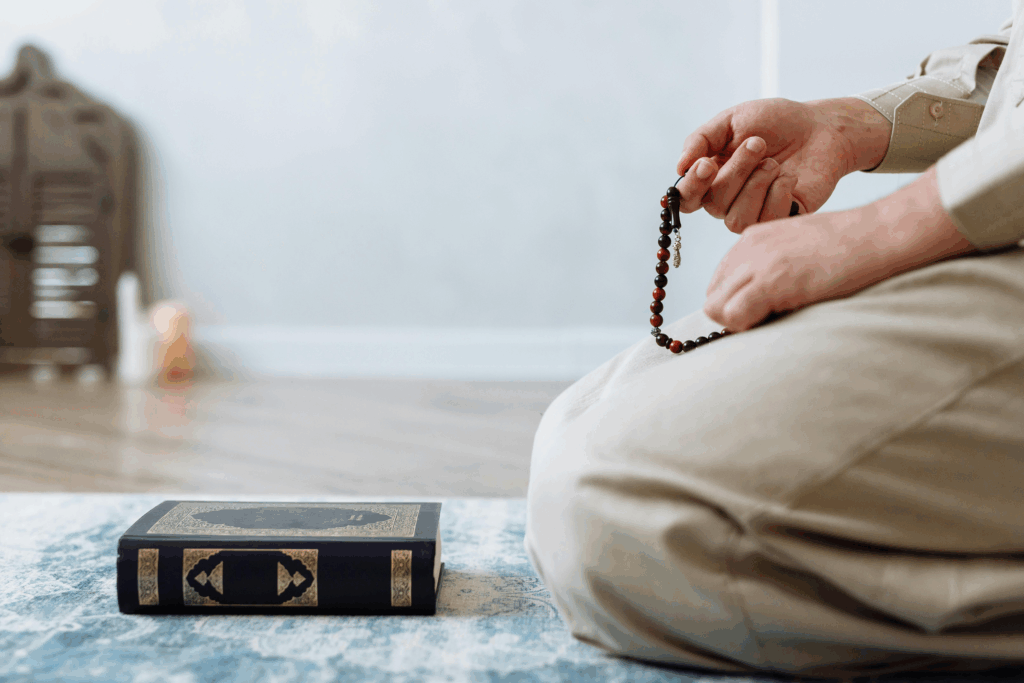
Fill your tongue and heart with the remembrance of Allah. The Prophet ﷺ encouraged saying:
- SubhanAllah – Glory be to Allah
- Alhamdulillah – All praise is due to Allah
- La ilaha illallah – There is no god but Allah
- Allahu Akbar – Allah is the Greatest
These words are light on the tongue but heavy on the scales.
The greatest words spoken by the Prophet (saw) and all the Prophets before him on this day were:
لَا إِلٰهَ إِلَّا اللهُ وَحْدَهُ لَا شَرِيكَ لَهُ، لَهُ الْمُلْكُ وَلَهُ الْحَمْدُ، وَهُوَ عَلَىٰ كُلِّ شَيْءٍ قَدِيرٌ
La ilaha illallahu wahdahu la sharika lah, lahul mulku wa lahul hamd, wa huwa ‘ala kulli shay’in qadeer.
There is no god worthy of worship except Allah alone, without partner. To Him belongs all dominion and all praise, and He has power over all things.
These are not just words to recite once and move on from. They are words to fill your tongue with throughout the day – while driving, cooking, walking, waiting, sitting quietly after salah. Words beloved to Allah. Words carried by every Prophet. Words through which hearts are revived and sins are erased.
3. Recite the Takbir
One of the greatest sunnahs of these blessed days is to fill our tongues with takbir — glorifying and magnifying Allah throughout the days of Dhul Hijjah.
From Fajr on the Day of Arafah (9th Dhul-Hijjah) until Asr on the 13th, recite the Takbirat al-Tashriq after every obligatory prayer:
Allahu Akbar, Allahu Akbar,
La ilaha illallah,
Allahu Akbar, Allahu Akbar,
Wa lillahil-hamd
There are two types of takbir in these days.
The first is the unrestricted takbir, which can be recited at any time: morning and evening, at home, on the road, before salah, after salah, while cooking, driving or walking. This begins from the start of Dhul Hijjah and continues until sunset on the 13th of Dhul Hijjah, the final day of Tashriq.
The second is the restricted takbir, which is recited after the obligatory prayers. For those not performing Hajj, this begins after Fajr on the Day of ‘Arafah and continues until Maghrib on the 13th of Dhul Hijjah.
How often do we spend these days talking about work, food, shopping and plans — yet neglect to fill them with the remembrance of Allah?
The companions and righteous predecessors would raise their voices with takbir throughout these days, reviving the atmosphere with the remembrance of Allah.
So let your home, your car and your day be filled with:
Allahu Akbar, Allahu Akbar, la ilaha illa Allah. Allahu Akbar, Allahu Akbar, wa lillahil hamd.
For these are days in which Allah loves to be remembered, praised and glorified
4. Make Deep, Personal Du’a
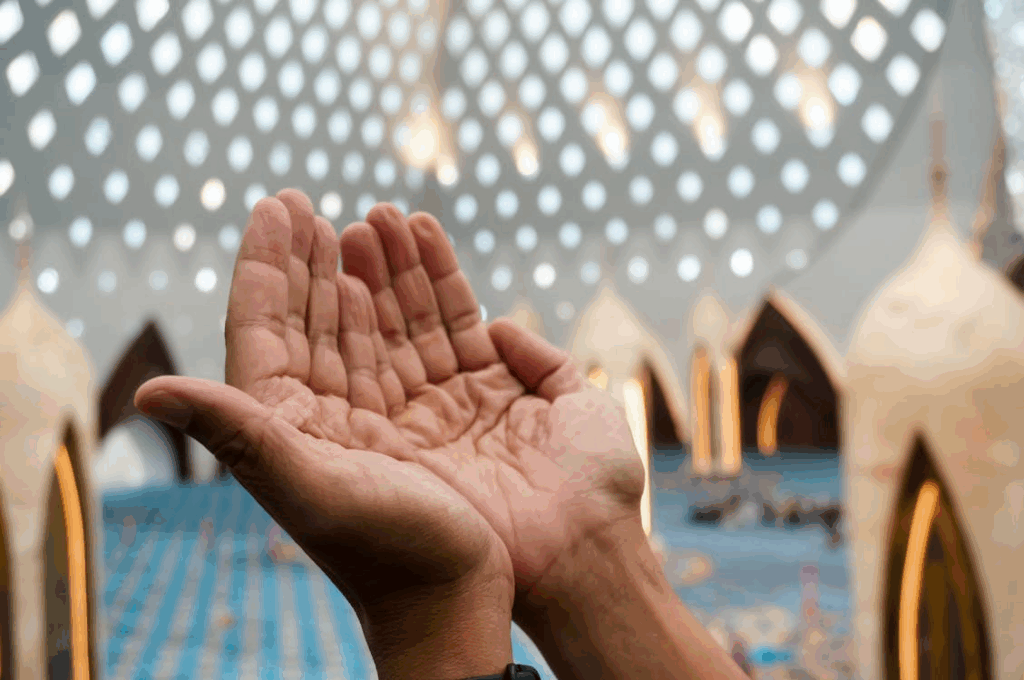
The Prophet ﷺ taught us that the greatest du‘a ever made is the du‘a of the Day of ‘Arafah.
“The best du’a is the du’a of Arafah.” (Tirmidhi)
Even if you’re not on the plain of Arafah, you can still raise your hands and pour your heart out to Allah.
The companions also understood the immense value of this day and would spend it immersed in du‘a, dhikr, takbir and seeking Allah’s mercy.
In fact some would save up their du’as for the entire year for this day.
‘Ali ibn Abi Talib (ra) would make du‘a asking Allah for both eternal salvation and worldly ease:
اللَّهُمَّ أَعْتِقْ رَقَبَتِي مِنَ النَّارِ، وَأَوْسِعْ لِي مِنَ الرِّزْقِ الْحَلَالِ، وَاصْرِفْ عَنِّي فَسَقَةَ الْجِنِّ وَالْإِنسِ
Allahumma a‘tiq raqabati min an-nar, wa awsi‘ li min ar-rizq il-halal, wasrif ‘anni fasaqat al-jinni wal-ins.
O Allah, free me from the Fire, expand for me my halal provision, and protect me from the evil among jinn and mankind.
And Ibn ‘Umar would spend the day repeating takbir and praising Allah:
Allahu Akbar, Allahu Akbar, wa lillahil hamd.
He would also constantly ask Allah:
اللَّهُمَّ اهْدِنِي بِالْهُدَى، وَقِنِي بِالتَّقْوَى، وَاغْفِرْ لِي فِي الْآخِرَةِ وَالْأُولَى
Allahumma ihdini bil-huda, wa qini bit-taqwa, waghfir li fil-akhirati wal-oola.
O Allah, guide me with guidance, protect me with taqwa, and forgive me in this life and the next.
Then he would sit quietly, pouring his heart out to Allah in personal du‘a.
This is the spirit of ‘Arafah.
As the hours pass and the sun begins to set, this is not the time to become distracted. It is the time to empty your heart before Allah.
Imam al-Nawawi (rh) wrote that it is highly recommended on this day to increase in dhikr, du‘a, Qur’an and every form of worship possible. He described it as the greatest day of the year for supplication, encouraging believers to exert themselves fully in worship and not waste a single moment.
He advised that we should make du‘a not only for ourselves, but for our parents, families, teachers, friends, loved ones, those who have shown us kindness, and for the entire Ummah. He warned against neglecting this opportunity, because unlike many other acts of worship, a missed Day of ‘Arafah cannot simply be made up later.
The righteous predecessors understood this deeply.
One of them said:
“For fifty years, I have been making du‘a on the Day of ‘Arafah, and not a single year passes except that I see those du‘as answered as clearly as the morning light.”
Another said:
“I came across people who would conceal their needs and deepest du‘as all year until the Day of ‘Arafah.”
They knew there was something different about this day.
A day when hearts soften.
A day when sins are lifted.
A day when du‘as rise.
A day when Allah frees more people from the Fire than any other day of the year.
So do not let this day pass like any other.
Protect its hours.
Guard its moments.
Turn to Allah with everything in your heart.
Make du’a for:
- Forgiveness for your past
- Guidance in your present
- Blessings for your future
- Your family, the Ummah, and the oppressed around the world
5. Give Charity
The Prophet ﷺ said:
“Charity extinguishes sins like water extinguishes fire.” (Tirmidhi)
Give anything you can — big or small — with sincerity. A single act of giving could tip the scales in your favour on a day when deeds are being weighed and when we are desperate for His Mercy.
The Prophet taught us that no wealth spent during these days is more beloved to Allah than the blood of the sacrifice offered sincerely for His sake. This is not simply the giving of meat. It is an act of devotion, gratitude, remembrance and coming close to Allah.
And on a day where we are begging Allah to free us from the Fire, there is something deeply powerful about reviving a sunnah that the scholars described as a means of protection from it.
You can still give your Qurbani with Embrace this Dhul Hijjah for £285.
Right now, 74 Qurbanis are still urgently needed before Eid day at 1pm.
For many of the families we support – refugees, widows, single mothers and those living in severe hardship — this may be the only time they eat meat for months.
You can also honour our sisters walking in the footsteps of Hajar, struggling to survive and suffering in silence.
Honour the sacred days. Extinguish your sins through sadaqah. Seek Allah’s nearness through sacrifice.
And perhaps through a single sincere act, Allah writes for you freedom from the Fire on the Day of ‘Arafah.
6. Seek Forgiveness & Repent Sincerely
Make tawbah (repentance) a priority. Cry. Reflect. Resolve to change.
Allah says in the Qur’an:
“O My servants who have transgressed against themselves [by sinning], do not despair of the mercy of Allah. Indeed, Allah forgives all sins.”
(Surah Az-Zumar 39:53)
There’s no better time to come back to Allah than the Day of Arafah.
The Prophet ﷺ said:
“There is no day in which Allah frees more people from the Hellfire than the Day of ‘Arafah…”
On this day, Allah draws near to His servants, showering them with mercy, forgiveness and freedom from the Fire.
This is why the Day of ‘Arafah was described by the scholars as Shaytan’s most difficult and humiliating day. In just a few hours, years of sins can be erased. Hearts that were distant can return to Allah. People who were drowning in shortcomings can be written amongst those forgiven and freed from punishment.
And the mercy of this day is not only for those standing on the plains of ‘Arafah.
Ibn Rajab (rh) beautifully explained that Allah frees from the Fire even those who are not physically there – which is why Eid becomes a celebration not only for the pilgrims, but for the entire Ummah.
So even if you were not able to make Hajj this year, do not think this day has passed you by.
Its doors are still open.
Its mercy is still descending.
Its forgiveness is still being written.
‘Abdullah ibn al-Mubarak (rh) once approached Sufyan al-Thawri (rh) on the evening of ‘Arafah and found him on his knees weeping intensely. He asked him:
“Who is in the worst state amongst all these people?”
Sufyan replied:
“The one who thinks Allah will not forgive him.”
No sin is too great for Allah’s mercy.
No distance is too far for Allah to bring a servant back.
And no heart turns sincerely to Him except that He welcomes it.
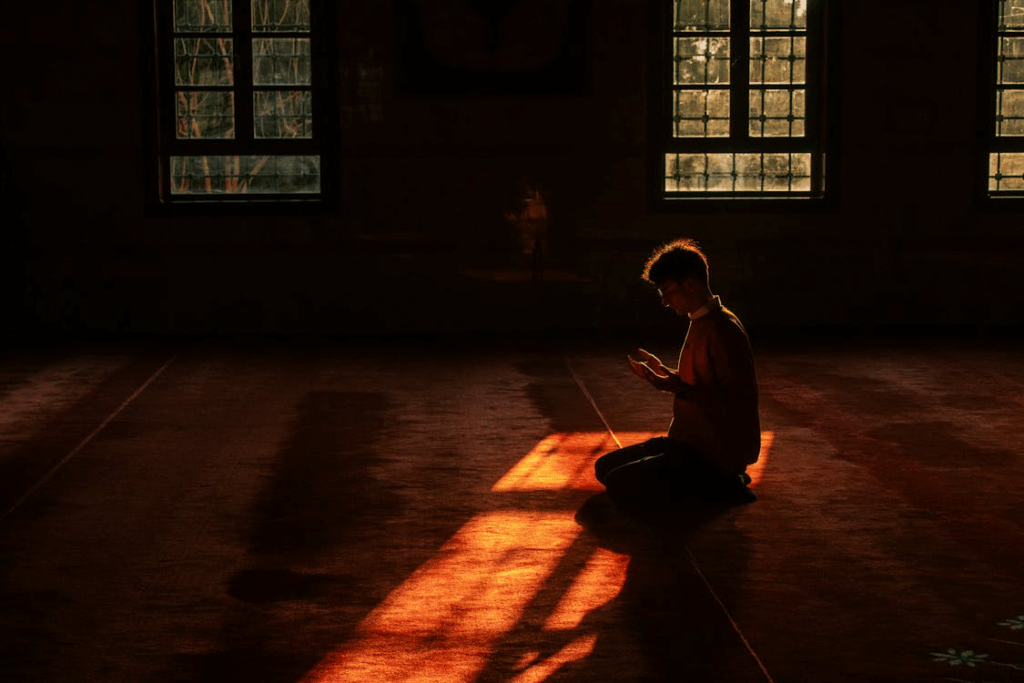
You may not be on the plains of Arafah this year — but your heart can be.
You don’t need a visa, a tent, or a pilgrimage badge to access the mercy of Allah. All you need is sincerity, action, and the desire to come closer to Him.
Let this Day of Arafah be a turning point.
Fast. Pray. Repent. Remember. Give.
And believe that Allah’s mercy is bigger than your sins.
Taqabbal Allah minna wa minkum — May Allah accept it from us and from you.